Completely Restored
Smiles, Crafted With
Artistry
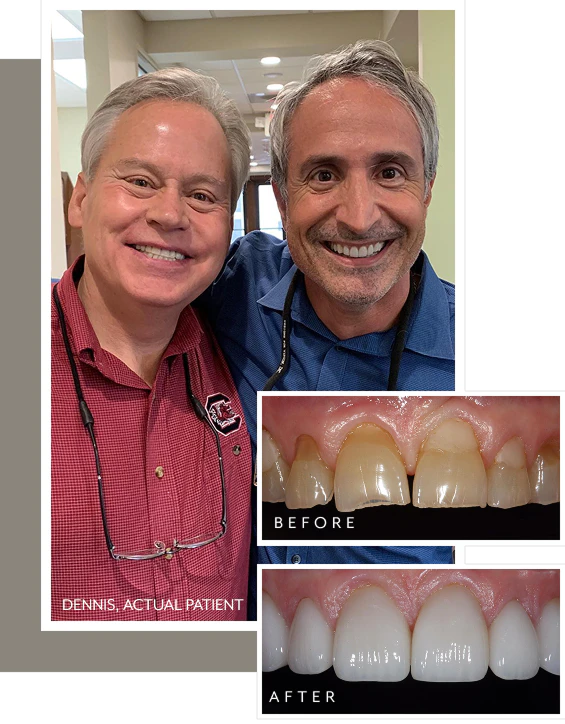
Actual Patient
Actual Patient
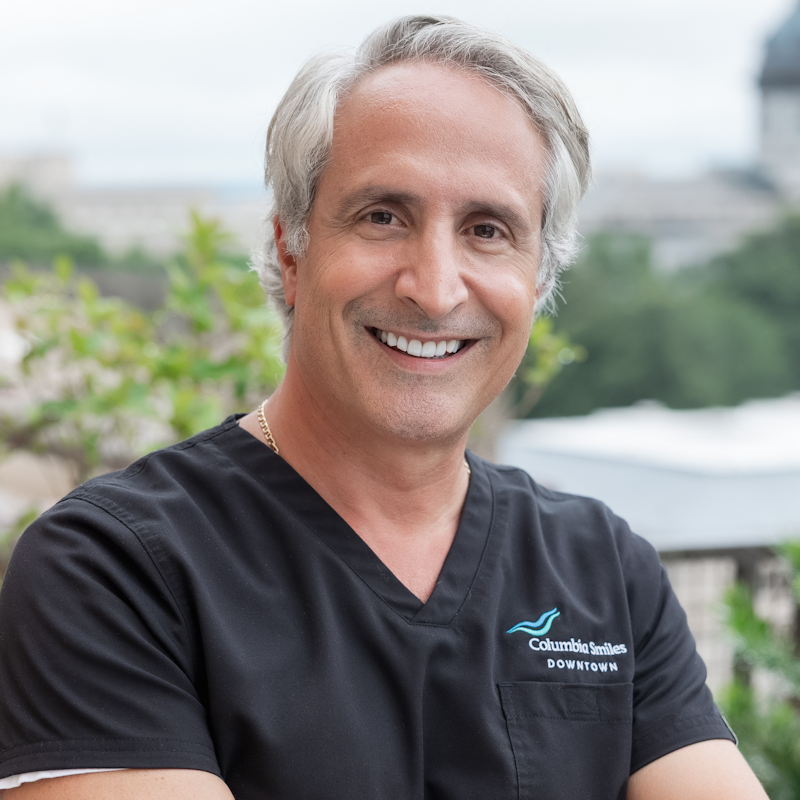
Dr. Nick Pournaras is a Fellow of the American Academy of Implant Dentistry and one of only six AACD Accredited Members in South Carolina. Your implants benefit from restorative skill and cosmetic mastery in equal measure.
From single implants and mini implants to All-on-4 full mouth restorations, Columbia Smiles handles it all, including preparatory bone grafts and sinus lifts. Whatever your level of tooth loss, we can restore it.
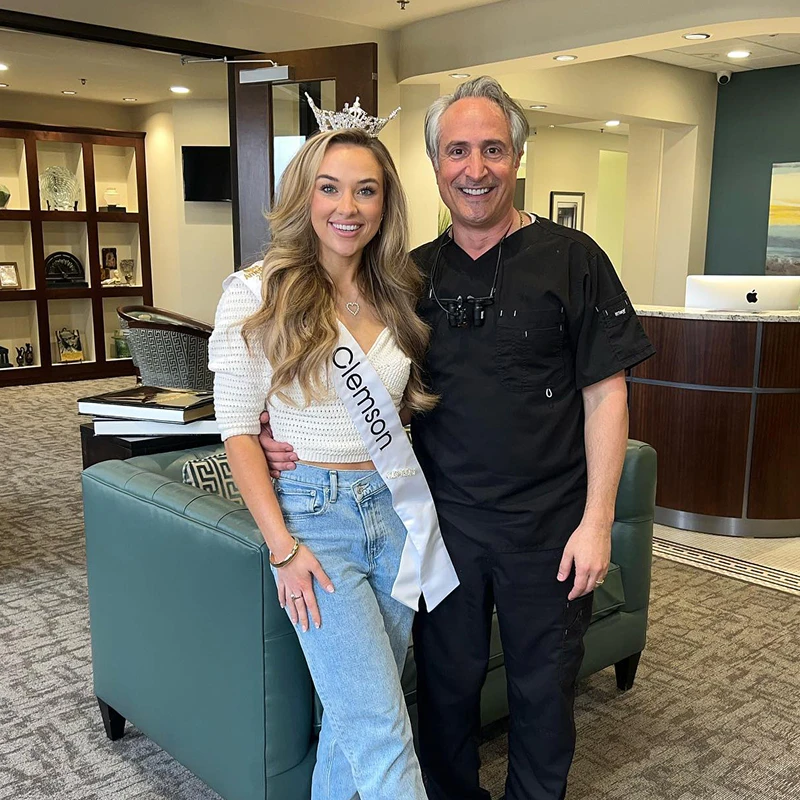
As the official dentist for Miss USA and Miss Teen USA in North and South Carolina, Dr. Nick creates smiles that hold up under spotlights and close-ups. Implant patients receive that same exacting standard.
“I had a mini implant procedure that took approx. an hour from beginning to end. There was no pain and each step was explained in detail. I highly recommend Dr. Nick and his staff! Trust me, he takes pride in his work and he's the best at what he does!”
– Gary, 5-Star Review
One of the reasons Dr. Nick stands out among dentists in the Columbia, SC, area is his close working relationship with Wayne Payne, a master ceramist. With 45 years of experience leading Payne Dental Lab, Inc., Wayne creates customized restorations with a focus on functional aesthetics, so you can expect that your dental work is strong and beautiful. Working closely with a master ceramist allows us to give you your dental restorations in only three to five weeks.
Because there are so many variables in this treatment, such as the number of implants placed and the type of restorations they will support, the cost can vary dramatically. It's important to understand that although insurance generally contributes to the cost of restorations, basic insurance plans do not cover the cost of dental implants.
During your consultation, our staff can speak with you to help find a way to make this treatment a comfortable fit for your budget. One option is financing through CareCredit®, a healthcare lender that offers low- and no-interest loans to help you manage the cost of your treatment.
Dental implants are posts placed in the jaw to replace lost tooth roots and support dental restorations. They make restorations as stable as natural teeth and are the only restorative option that stops the jaw from receding after tooth loss.
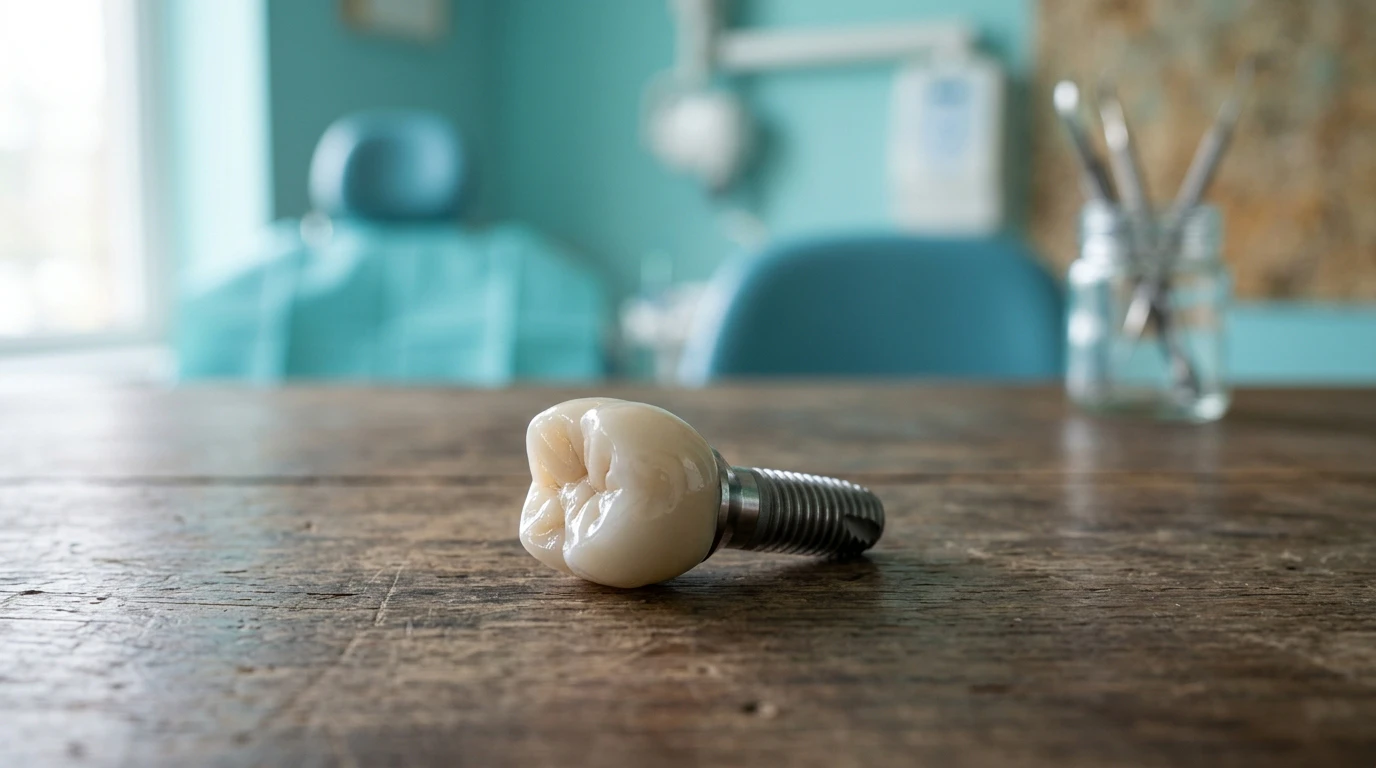
An implant-supported restoration consists of three parts that work together to entirely replace a missing tooth:
A dental implant itself is a small titanium screw-like device anchored into the jawbone to support a restoration.
An abutment serves as the connection between an implant and restoration. Like implants, abutments are made of durable titanium and designed for long-lasting security.
A restoration is a dental crown, bridge, or denture crafted to closely resemble and function like a natural tooth or teeth. It firmly attaches to the abutment.
Dental implants can benefit patients with all types of tooth loss:
Patients who are missing just one tooth can benefit from an implant-supported crown. Implant-supported crowns fill the gap in your smile and support the health of your jawbone. This single-tooth solution allows you to avoid altering nearby healthy teeth, a step required for a traditional bridge.
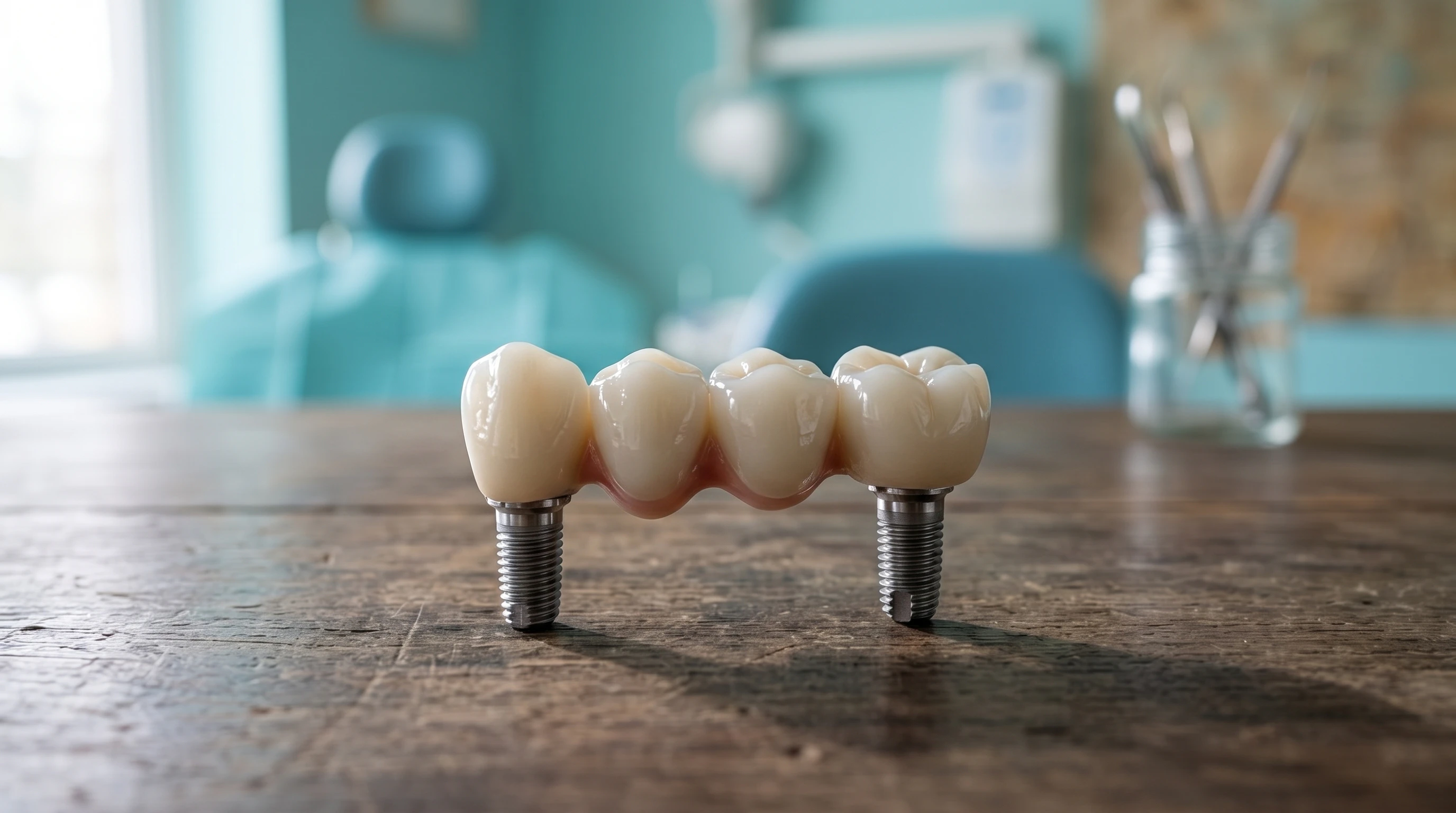
An implant-supported bridge may be the right choice for patients who are missing two or more consecutive teeth. Like implant crowns, implant bridges do not require alteration of nearby healthy teeth.
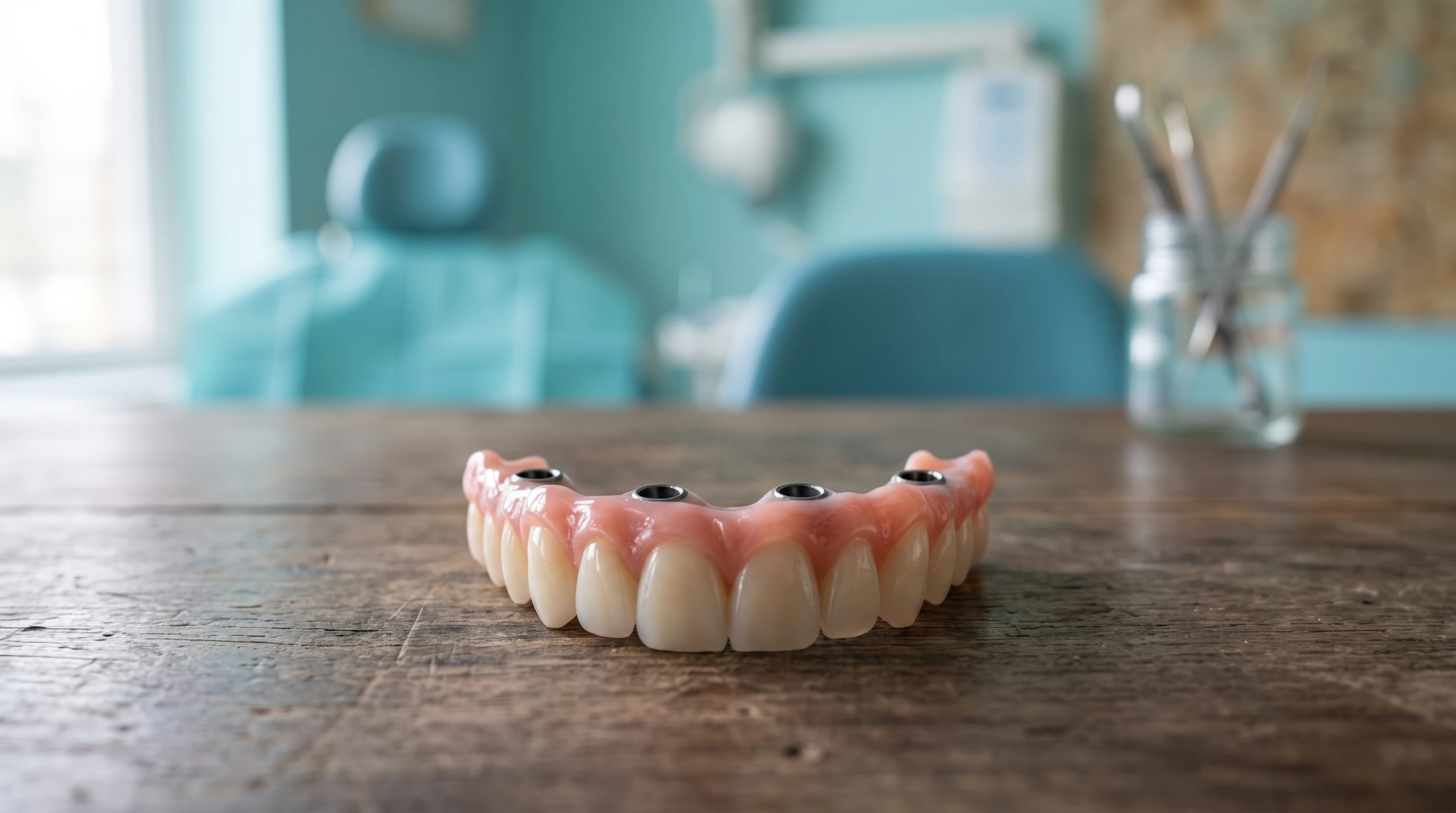
Patients with significant tooth loss can benefit from an implant-supported denture as a much more stable alternative to traditional removable dentures. We can use the All-on-4 dental implant system to restore a full arch of teeth using only four precisely placed implants.
Many adults deal with the discomfort and inconvenience of traditional dentures for years before learning about the benefits of implant-supported dentures. Here are some top reasons why our Columbia, SC, patients decide to leave their traditional dentures behind and rejuvenate their smiles with dental implants:
Traditional dentures are notorious for shifting out of place when you speak or eat certain foods. Implant-supported dentures function just like natural teeth, staying firmly in place whether you are enjoying a rare steak for dinner or delivering a speech. In short, implants allow you to stop worrying and start enjoying the best parts of life.
Dentures must be removed for frequent cleaning and overnight soaking, leaving you without a complete smile for a significant portion of the day. Because dental implants are securely fused with your jawbone, they offer you a 24/7 smile that requires no more upkeep than natural teeth.
Tooth roots stimulate the jawbone in order to retain bone tissue. When teeth are lost, the diminished stimulation results in jaw atrophy (shrinkage) that can cause a cascade of other issues. Dental implants are the one and only restorative solution that can stop and actually reverse bone atrophy following tooth loss.
In order to qualify for implant treatment, you must have:
Leaving tooth loss unaddressed for an extended period of time can result in jawbone atrophy that eventually renders the area unable to support a dental implant. However, patients with jawbone degradation may still be candidates after undergoing bone grafting, a process of adding donor tissue to replace recessed tissue. We also offer mini dental implants, which require less supportive bone tissue than traditional implants.
Dental implants can be used to correct many levels of tooth loss. Whether you are missing one tooth or an entire row, Dr. Nick and the Columbia Smiles team can restore the appearance and strength of your smile with implants.
Gum disease can weaken overall dental health and increase the risk of implant failure. You must also be free of tooth decay. Generally speaking, candidates must be healthy enough to undergo minor surgery. Smoking and uncontrolled diabetes can disqualify you from this option.
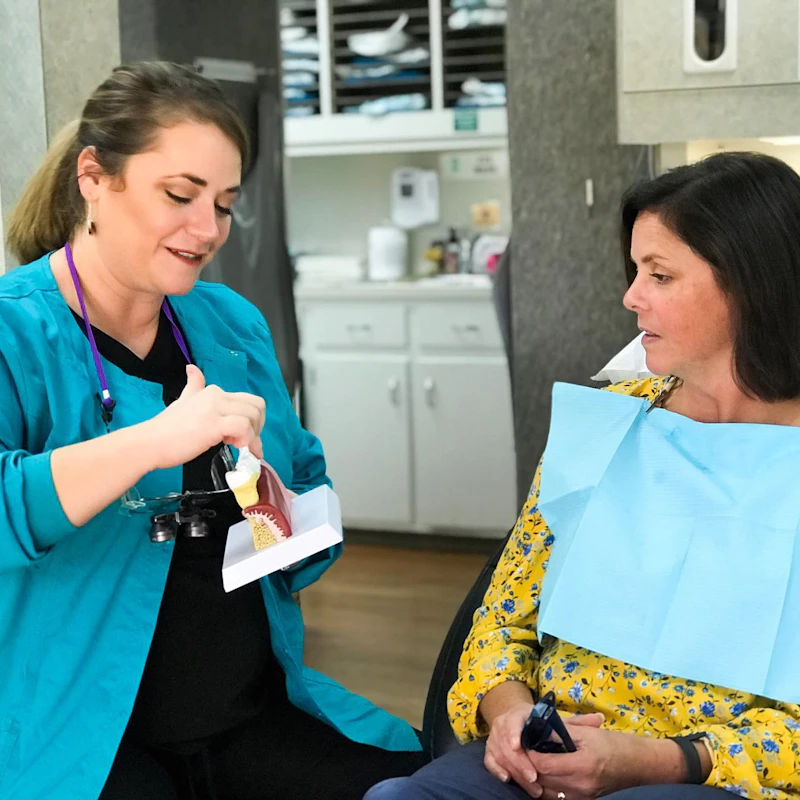
Dental implant surgery can sound daunting to many. To help patients relax and make the process more comfortable, our Columbia dental office offers both oral conscious sedation and nitrous oxide. Upon request, we can also work with a third party to offer general anesthesia to our implant patients.
Most patients can expect their implants to fully fuse with their jawbone, a process known as osseointegration, within three to six months. However, everyone is unique. We'll assess your recovery with periodic check-ups.
With adequate brushing and flossing, as well as a healthy lifestyle, implants can last a lifetime. However, your restoration will likely need to be replaced in 10-15 years.
Implants don't decay like your natural teeth do. However, it pays to continue regularly seeing your dentist; we'll keep an eye out for signs of gum disease or any other issues that could lead to implant failure.
Dr. Nick Pournaras, DMD and the team of dental professionals at Columbia Smiles in Columbia, SC, are dedicated to helping our community improve their oral health and rejuvenate their smiles. Dr. Pournaras is a member of a number of professional dental organizations, including:
To schedule an appointment, contact us online or call us at (803) 888-6504 today.